Guide to Getting a Bachelors Abroad
Steering the path to securing a undergraduate degree in a foreign country requires careful consideration of several key elements. Students must evaluate countries and universities based on academic standards, financial aid opportunities, and cultural fit. Being aware of visa prerequisites is critical for a smooth changeover. Still, the adventure encompasses much more than planning. Acclimating to new settings and preserving ties to one's homeland are fundamental in defining the overall journey. What obstacles and possibilities lie ahead for students embarking on this journey?
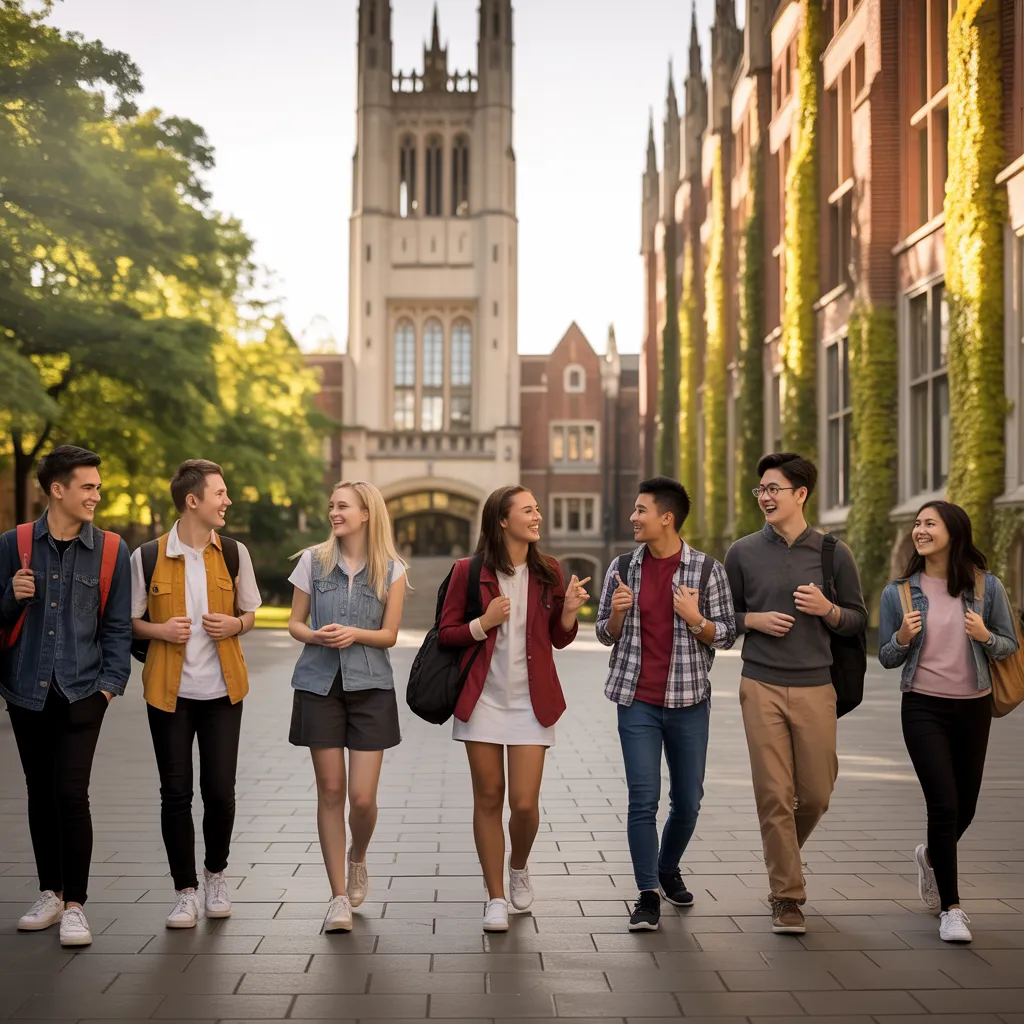
What Key Factors Should You Evaluate When Selecting a Country?
When deciding on a country for a bachelor's degree abroad, what essential considerations should guide the decision? First, the quality of education is of utmost importance; future students ought to investigate university rankings, instructor expertise, and the coursework's alignment to their field of study. Second, language is a significant factor; students should determine whether they are at ease learning in the native language or if courses offered in English are accessible.
Cultural alignment is another crucial element; comprehending the local society, traditions, and way of life can significantly shape the overall experience. Furthermore, safety and political stability are critical factors to consider; students are encouraged to examine the country's safety standing and existing political landscape. In addition, distance from home and travel possibilities can impact individual preferences and overall contentment. By carefully considering these elements, students can arrive at well-informed choices that correspond with their academic and personal goals.
How to Acquire Funding and Scholarships for an International Study Experience
Securing funding and scholarships is essential for those seeking a bachelor's degree in a foreign country. Various types of scholarships exist, addressing diverse requirements and eligibility criteria, and being aware of these choices can considerably boost financial feasibility. Moreover, implementing effective application strategies can improve the chances of success in the highly competitive scholarship environment.
Available Scholarship Types
While obtaining a baccalaureate degree abroad can be a transformative experience, understanding the types of scholarships available is crucial for handling expenses. Numerous scholarships are designed to meet varying needs and conditions. Merit-driven scholarships honor superior academic achievement, while need-driven scholarships aid students experiencing financial hardship. Certain universities provide dedicated scholarships for international students to promote inclusivity. Moreover, government-backed programs such as Fulbright or Chevening deliver significant financial aid for studying internationally. Non-governmental organizations and foundations additionally provide scholarships targeting particular disciplines or geographic areas. In addition, some countries offer scholarships to attract foreign talent, making higher education more accessible. Researching these alternatives can considerably lighten the economic challenges associated with studying overseas.
Application Success Tips
Mastering the scholarship application process can significantly improve a student's likelihood of obtaining funding for international study. To strengthen their candidacy, students should begin by researching various scholarships that correspond to their scholarly ambitions and personal histories. Crafting a compelling personal statement is essential; it should clearly articulate goals and ambitions. In addition, obtaining strong letters of recommendation from mentors or professors can provide valuable support. Students must also remain fully aware of application due dates and specifications, making certain all documents are delivered on time. Moreover, highlighting pertinent accomplishments, such as extracurricular activities or professional training, can set an applicant apart. Finally, adopting a structured strategy allows for diligent monitoring of submissions and responses, thus enhancing the prospects of obtaining financial support.
Comprehending Visa Requirements for Your Desired Country
Comprehending visa regulations is essential for students who plan to pursue international education. Numerous countries maintain distinct types of student visas, each featuring unique requirements and application procedures. Working through these regulations can significantly affect a student's ability to pursue their education internationally.
Student Visa Types
Maneuvering through the realm of student visas is vital for anyone considering a undergraduate degree abroad. Different countries offer multiple kinds of student visas, all featuring unique criteria and benefits. For instance, the F-1 visa in the United States permits students to engage in full-time studies, while the Tier 4 visa in the United Kingdom fulfills a comparable role. Certain nations, like Canada and Australia, offer dedicated visas allowing students to engage in part-time employment while studying. Furthermore, various countries could have unique stipulations based on the length of the program or whether the educational institution holds proper accreditation. Understanding these differences is critical for aspiring international learners to guarantee compliance and select the right visa for their educational journey.
Application Process Summary
Working through the application process for a student visa requires careful attention to the specific requirements of the chosen country. Every country has distinct regulations, documentation, and timelines that must be adhered to. Typically, applicants need to gather essential documents such as proof of admission, financial statements, and health insurance. Moreover, some applicable information destinations may mandate a language proficiency test or a medical examination.
It is essential for prospective students to initiate the application process well in advance, as visa processing times can differ significantly. Familiarizing oneself with the embassy or consulate's guidelines is also critical, as they supply comprehensive guidance and current information on necessary requirements. In the end, careful and thorough preparation ensures a more seamless transition to studying abroad.
How to Find a University That Fits Your Aspirations?
How does one go about choosing a university that suits their educational and career objectives? First, individuals should identify their specific goals, including desired majors and career paths. Exploring universities that provide excellent curricula in those particular fields is a critical step. They can utilize online resources, academic rankings, and alumni networks to assess the quality of education offered.
Next, elements like available extracurricular activities, location, and campus culture deserve careful consideration. A nurturing atmosphere can significantly improve the entire academic journey. Furthermore, future students should consider the college's partnerships with sectors pertaining to their areas of study, as networking opportunities and internships can play a pivotal role in career development.
In conclusion, considering financial implications, including tuition and living costs, is vital. By considering these elements, individuals can reach well-informed choices that match their goals, ensuring a fulfilling and successful academic journey abroad.
Adapting to Cultural Differences in Your New Environment
While adjusting to a new culture can be challenging, acknowledging the variations can lead to fulfilling outcomes. Students living overseas often encounter distinctive traditions, forms of communication, and societal standards that may seem daunting at first. To navigate these cultural shifts, it is important to face novel circumstances with an willingness to adapt and a eagerness to understand. Engaging with local communities, joining local festivities, and forming bonds with residents can encourage broader comprehension and admiration of the local culture.
Furthermore, achieving a equilibrium between retaining one's own cultural identity and adjusting to the new environment is of great importance. Curiosity and open communication can help overcome barriers and alleviate feelings of isolation. As individuals accept the unknown, they often acquire strength and flexibility, qualities that prove invaluable both on a personal and professional level. At the core of it all, these encounters can broaden perspectives and enrich one's education, making the experience of studying in a foreign country profoundly transformative.
What Should You Expect While Studying Abroad?
Pursuing studies overseas presents a remarkable blend of anticipation and challenges, as scholars often find themselves in foreign educational and cultural environments. Students might experience different pedagogical methods, which may include everything from cooperative team projects to self-directed studies. Students should be prepared for differing requirements regarding engagement and submission timelines.
In terms of social development, the transition can be similarly impactful. New bonds and connections may develop, but becoming accustomed to a range of cultural customs and communication approaches can prove to be challenging. Initially, students could feel disconnected or longing for home, but such emotions tend to fade as they settle into their adopted communities.
In addition, navigating routine activities, like becoming familiar with the local transit system and cultural norms, can be daunting yet fulfilling. Learners can anticipate developing resilience and problem-solving skills as they adjust to these new circumstances. Ultimately, the process nurtures personal growth and a broader worldview, ensuring that the hardships prove valuable.
Ways to Keep in Touch With Home While Studying
Keeping in contact with loved ones during foreign studies is vital for emotional stability and encouragement. Scholars can make use of digital tools to overcome the distance, employing video calls, messaging apps, and social media platforms to document experiences and ensure dear ones remain in the loop. Setting up consistent check-in meetings can establish a reassuring schedule, making it easier to navigate the challenges of studying in a new environment.
Moreover, students should consider joining local expat groups or organizations, which can provide a supportive network and mutual experiences. Mailing postcards or care packages can also strengthen ties and provide a tangible connection to home. Taking part in cultural pursuits that bring them closer to their origins, such as preparing traditional meals or observing holidays, cultivates a sense of belonging. By deliberately preserving these relationships, students can elevate their overall international study experience, making certain they feel backed and less isolated during their educational journey.
Common Questions and Answers
What Are the Best Countries for International Students?
Many nations are celebrated for accommodating international students, including the United States, Canada, the United Kingdom, Australia, and Germany. Such destinations present varied academic programs, unique cultural encounters, and valuable opportunities for both personal and scholarly advancement.
How Do I Locate Student Accommodation Overseas?
To discover student accommodation abroad, one should explore campus housing opportunities, digital rental websites, and local listings. Building connections with classmates and asking for suggestions can further yield useful information into fitting accommodation choices.
Can I Be Employed While Studying in a Foreign Country?
Absolutely, most international students have the ability to work while studying overseas, depending on the relevant visa restrictions. Working part-time can provide worthwhile practical experience and help with general living costs, but maintaining a healthy balance between employment and academic duties is essential for succeeding academically.
What Health Insurance Is Required for Studying Abroad?
Students pursuing education overseas generally need thorough medical insurance that protects against medical emergencies, hospitalization, and repatriation. It is essential to check the host country's requirements and verify the policy includes coverage for pre-existing conditions and routine care.
How Can I Enhance My Language Abilities Before Departing?
To enhance language abilities prior to departure, one should participate in consistent practice through apps, language exchange programs, online courses, and immersive experiences with native speakers. Exploring books and watching movies in the target language additionally offers tremendous value.